
"Vienna café etiquette"
19000 article(s) found

Havica Cafe
The cafe is located at the end of Dorotheergasse, this small road is easy to find, but Hawelka is not so easy to recognize, the door of the cafe is introverted; only on the walls of the entrance are signs that read "Caf é Leopold Hawelka".

Show you the places you must visit in Europe's famous cafes.
If the origin of coffee can be traced back to ancient African and Arab cultures, then the cafe people remember today is a pure European culture, or more accurately, it is even a cradle and historical witness of modern European civilization. The whole of Europe is the advocate of coffee culture. Today, coffee culture has become a mature cultural form in Europe, from coffee to Europe.
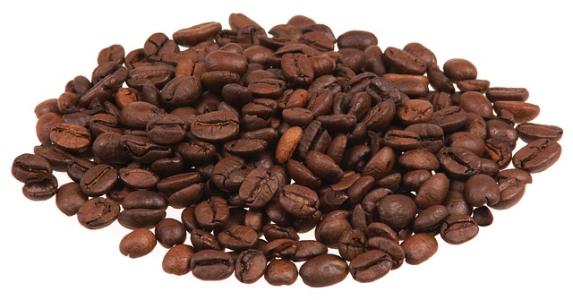
Introduction of Brazilian Coffee Sinio, Overview of Brazilian Coffee production
Following caf é comments (Wechat official account vdailycom) found that Coffee cafezinho opened a small shop of its own. Coffee Sinho is a favorite small cup of strong black coffee among Brazilians. In Brazil, buying you a cup of coffee is a habit and an important etiquette for hospitality, just like Chinese tea. Brazil is the world's largest coffee producer, known as the coffee kingdom. According to

The making of fancy coffee.
Fancy coffee making: 1. Italian pure (espresso) coffee-ESPRESSO: material: Italian steam pressurized kettle. The thickest stir-fried coffee beans are very fine ground 6-8 grams. Production: pour the right amount of boiling water into the Italian steam pot, put the coffee powder into the coffee basket, press, tighten the upper and lower pot, add heat, and pour the water into the upper pot for a while. It is produced. two。 Italian latte CARFFE LATTE: material: small ESPRESSO.2
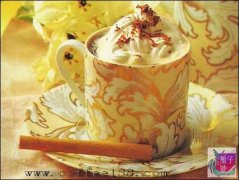
The classic fancy coffee.
1. Italian pure (espresso) coffee-ESPRESS material: Italian steam pressurized kettle. The thickest stir-fried coffee beans are very fine ground 6-8 grams. Production: pour the right amount of boiling water into the Italian steam pot, put the coffee powder into the coffee basket, press, tighten the upper and lower pot, add heat, and pour the water into the upper pot for a while. It is produced. two。 Italian latte CARFFE LATTE: material: small ESPRESSO.2-4 cups of hot milk. Production: in hot E

Landtmann, Vienna's specialty cafe
There are few cafes on Vienna's Ring Road that attract as much attention as Landtmann's, which stands next to the Town Hall and Castle Theater, the city's largest cafe.
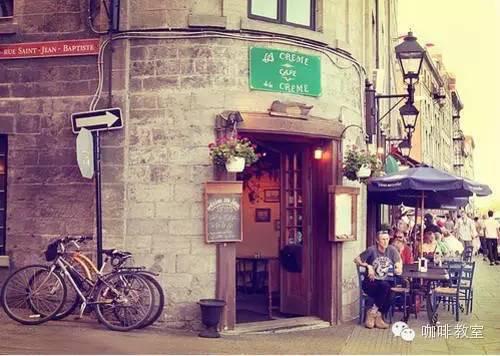
Classic cafes all over the world-must-see places for travel
Cafes have been places full of literary thoughts for centuries, when the best people in the world lingered and talked in these places. Freud, Goethe, Byron, Einstein, Trotsky, Tagore are intoxicated coffee corner day and night, encounter those great minds who write history in fantasy! Egypt | Cafe Fesavi, Cairo (El Fishawy Coffee Sh

What kind of coffee do you have in Spain? Coffee shop culture in Spain
Professional Coffee knowledge Exchange more information on coffee beans Please follow the coffee workshop (official Wechat account cafe_style) the 17th century Spaniards were fond of drinking chocolate because their conquerors found cocoa beans in Central America.

Those old cafes scattered all over Europe
If you travel to Europe, you can't miss the coffee culture there. Coffee shops over a hundred years old are not uncommon there. The one you turn around the corner may have been Hemingway's writing; the corner where you are sitting may have been filled with passers-by like Beethoven, Picasso and Xu Zhimo. The first coffee shop in LeProcope Paris was born in 1686.
Coffee drinking etiquette is coffee drinking hot etiquette
The best drinking temperature for coffee is 85 - 88 degrees Celsius. A good cup of coffee should be consistent in taste regardless of temperature, which is why coffee testers rate coffee from hot to cold. A cup of good quality coffee, after cooling, in addition to reducing the aroma, the taste performance will be even better than when the temperature is hot. But because of the coffee itself
Coffee making skills several fancy coffee practices
Fancy coffee making: 1. Italian pure (espresso) coffee-ESPRESS material: Italian steam pressurized kettle. The thickest stir-fried coffee beans are very fine ground 6-8 grams. Production: pour the right amount of boiling water into the Italian steam pot, put the coffee powder into the coffee basket, press, tighten the upper and lower pot, add heat, and pour the water into the upper pot for a while. It is produced. two。 Italian latte CARFFE LATTE: material: small ESPRESSO.2-4 cup hot cow
Coffee Culture Coffee Culture of all countries in the World
According to historical records, coffee was first planted in Taiwan in 1884, which opened the prelude to the development of coffee in China. The earliest coffee cultivation in mainland China began in Yunnan, when a French missionary brought the first coffee seedlings to Binluchuan County in Yunnan Province at the beginning of the 20th century. For nearly a hundred years after that, coffee was only a star in the vast territory of China.
The practice of making several kinds of fancy coffee
Fancy coffee making: 1. Italian pure (espresso) coffee-ESPRESS material: Italian steam pressurized kettle. The thickest stir-fried coffee beans are very fine ground 6-8 grams. Production: pour the right amount of boiling water into the Italian steam pot, put the coffee powder into the coffee basket, press, tighten the upper and lower pot, add heat, and pour the water into the upper pot for a while. It is produced. two。 Italian latte CARFFE LATTE: material: small ESPRESSO.2-4 cup hot cow
Drinking while it is hot is also a kind of etiquette for drinking coffee
Coffee tastes good, but also pays attention to etiquette. Today, let's pay attention to the etiquette of drinking coffee.
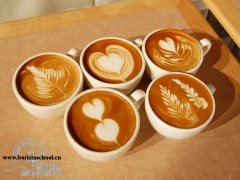
The most complete practice of fancy coffee article on the recipe of Italian coffee
1. Italian pure (espresso) coffee-ESPRESS material: Italian steam pressurized kettle. The thickest stir-fried coffee beans are very fine ground 6-8 grams. Production: pour the right amount of boiling water into the Italian steam pot, put the coffee powder into the coffee basket, press, tighten the upper and lower pot, add heat, and pour the water into the upper pot for a while. It is produced. two。 Italian latte CARFFE LATTE: material: small ESPRESSO.2-4 cups of hot milk. Production: in hot E
Coffee making formula 45 kinds of coffee making strategy
(1) the representative proportion of single coffee beans is sour: Colombia 30% Brazil 30% Guatemala 20% mocha 20% bitter: Colombia 30% Brazil 30% Kilimanjaro 20% Robsta 20% strong: Colombia 40% Guatemala 20% Manning 20% Brazil 20% soft: Colombia 40% Brazil 30% mocha 20% Luo Busta 10% (2) pure coffee

What kind of coffee beans do you need to make coffee?
1. Italian Pure (Espresso) Coffee--ESPRESSO: Material: Italian Steam Pressurizer. Strongest coffee beans ground very finely 6-8 g. Preparation: boiling water into the Italian steam pot, coffee powder into the coffee basket, press, tighten the pot, heat, water into the pot wait. Produced. 2. Italian latte CARFFE LATTE: Material: Small cup ESPRESSO.2-4 cups hot milk. Production: in

Total strategy for 45 kinds of coffee production
Sour: Colombia 30% Brazil 30% Guatemala 20% Mocha 20% bitter: Colombia 30% Brazil 30% Kilimanjaro 20% Robsta 20% strong: Colombia 40% Guatemala 20% Manning 20% Brazil 20% mild: Colombia 40% Brazil 30% Mocha 20% Robsta 10% (II) Pure Coffee Personality: Brazilian Coffee: moderate bitterness
The historical origin of coffee? Do you know how many
Professional baristas Please follow the Coffee Workshop (official Wechat account cafe_style) at the beginning of the seventh century, in 575 AD, the Arab Karl was grazing in the Ethiopian steppes of Africa when he discovered a coffee tree. In the eighth century, Arabs used coffee as wine and medicine. In the ninth century, Arab Islam began to drink coffee by roasting and grinding raw beans. Arab merchants in the tenth century
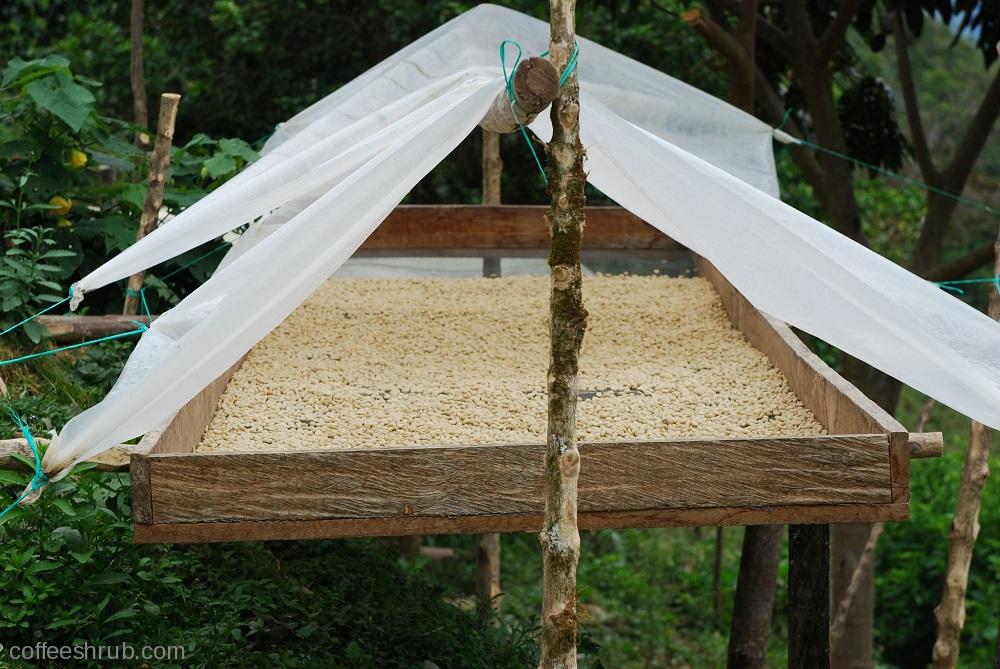
About the history of coffee, what is the origin of coffee?
Professional baristas Please follow the Coffee Workshop (official Wechat account cafe_style) at the beginning of the seventh century, in 575 AD, the Arab Karl was grazing in the Ethiopian steppes of Africa when he discovered a coffee tree. In the eighth century, Arabs used coffee as wine and medicine. In the ninth century, Arab Islam began to drink coffee by roasting and grinding raw beans. Arab merchants in the tenth century